For many Australian property investors, the numbers just aren't adding up like they used to. Sky-high entry costs in cities like Sydney and Melbourne are eroding rental yields, while the prospect of significant capital growth often feels like a long-term gamble. If you’re a savvy investor tired of tight margins and perpetually searching for a market that offers both quicker returns and lower barriers to entry, you know that looking internationally is often the smart next move. Currently, one global powerhouse keeps drawing attention for its dynamic real estate sector: Dubai.
In 2025, the Dubai property market is not just continuing to grow, it is accelerating, propelled by a strong government vision, zero income taxes, and a tidal wave of global wealth movement. The current economic uplift makes the city extremely attractive, particularly for those who have started to see local Australian prices slow down. Many Australians are currently asking, is investing in Dubai real estate a good investment for me in 2025?
This article seeks to cut through the hype so we can examine the tax benefits, the legal process, and the realistic returns so you have the facts to determine if the gleaming skyline of Dubai is the right place for your investment capital.
Why Australians are looking at investing overseas

Many Australian property investors are now searching for opportunities outside their own country. The main reason is the mounting pressure in the local market.
1. Pressures in the Australian Real Estate Market
First, local entry prices are very high. Buying a decent investment property in a major city like Sydney or Melbourne requires significant capital. This high cost often forces investors to put down much larger deposits. Second, local rental yields are simply too low. The annual cash back is relatively small after paying for management fees, maintenance, and interest.
Third, it is difficult to keep up with the local taxes and regulations. Investors have to pay heavy state and federal taxes. Moreover, the rules for landlords are always changing. It makes it hard to get strong cash flow. These factors push Australians to look for better returns elsewhere.
2. The Appeal of Investing Abroad
Choosing an international market offers three powerful advantages:
-
Portfolio Diversification: Spreading investments across different countries protects you. If the Australian market hits a rough patch, your international asset can help balance out your losses. You aren't putting all your eggs in one basket.
-
Currency Hedge: When you invest in a stable foreign currency, you reduce your risk. If the Australian dollar falls, the value of your overseas asset—held in a strong currency like the US Dollar-pegged AED—actually increases when measured back home.
-
Lifestyle and Investment Combined: Many Australians love to travel. Owning a property abroad can become a second home for holidays. This mixes a smart investment with a desirable lifestyle benefit.
3. Dubai as a Compelling Alternative
Dubai stands out as a strong alternative to the traditional Australian market. It offers zero income and capital gains tax, which directly addresses a major pain point for Australian investors. Plus, the potential for higher net rental yields and strong capital appreciation. It is driven by massive population growth. Additionally, a clear government vision makes the city a key destination for any Australian looking to improve their property returns in 2025 and beyond.
What makes Dubai unique as a property investment destination
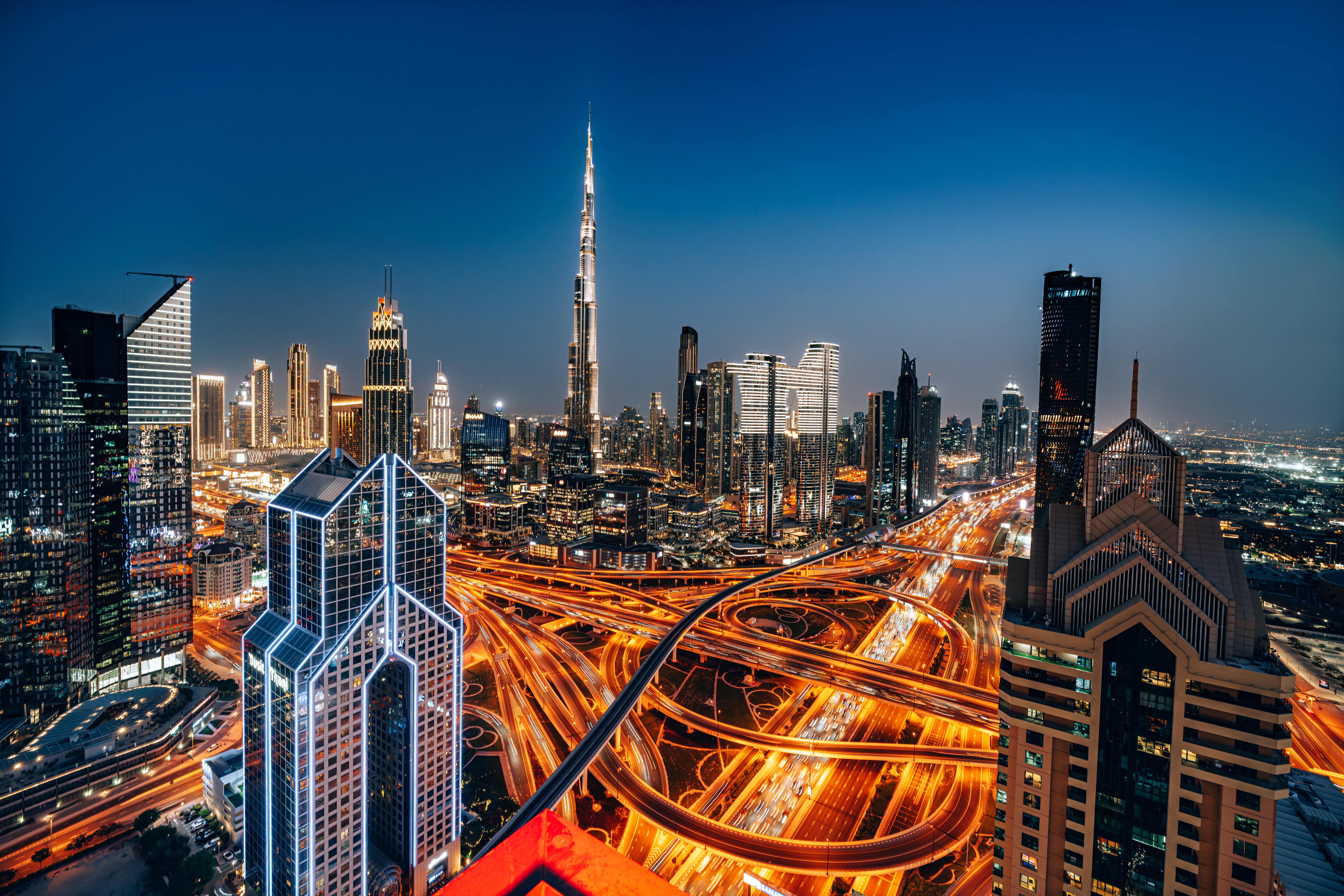
Dubai offers a unique mix of benefits that Australia simply cannot match. The biggest draw is the tax advantage. As an individual investor, you pay zero personal income tax and, crucially, no capital gains tax when you sell your property for a profit. This means you keep 100% of your earnings, unlike in Australia where taxes reduce your return.
For ownership, Dubai is fully open. Foreigners can have 100% freehold ownership in designated zones like Dubai Marina and JVC. The legal framework, overseen by the Dubai Land Department (DLD), is clear and stable, protecting your investment.
Current data for 2025 shows average rental yields often sit between 6% and 8%, significantly higher than in Australian cities. Strong capital appreciation continues, especially in key growth areas. Finally, Dubai's strategic location and booming tourism constantly feed demand, ensuring a continuous stream of high-quality tenants. This combination of zero tax and high yield creates a powerful investment case.
Key investment metrics & market snapshot (2025)

The Dubai market remains extremely strong in 2025. Transaction volumes are high, and prices continue to show healthy annual growth of 5% to 7%, with luxury sectors leading the way. The most attractive feature is the rental income: average gross rental yields consistently hover between 6% and 8%.
Compare this to major Australian cities. Sydney and Melbourne often deliver yields in the low 2% to 4% range, making Dubai’s returns two or three times higher. Furthermore, a high-quality, modern apartment in Dubai often has a more accessible entry price than a similar asset in inner-city Sydney.
In Australian Dollar (AUD) terms, this difference is significant. An Australian investor can achieve far greater cashflow from a Dubai property. Plus, the AED currency, pegged to the US Dollar, offers a valuable currency hedge, protecting the investor against fluctuations in the Australian dollar.
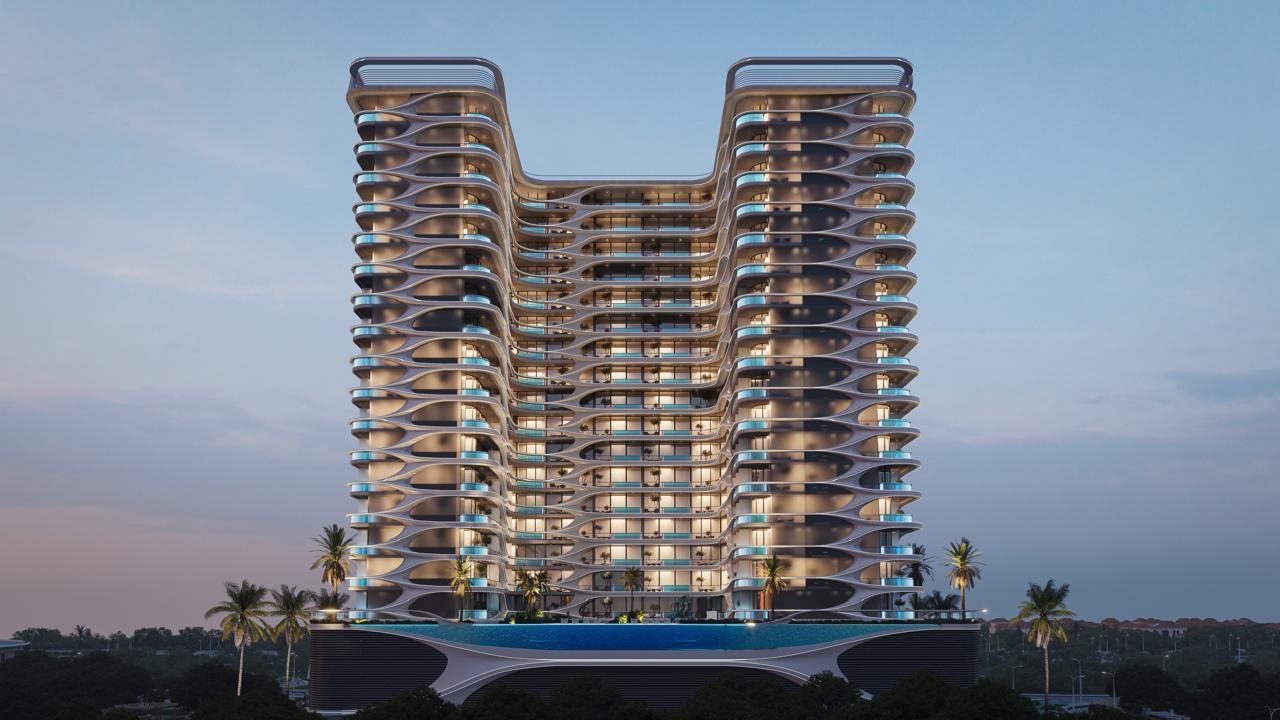
Binghatti Sky Terraces Ovelle The Valley Samana Boulevard Heights


What Australians specifically need to know (unique angle)
For Australian investors, several specific factors make the Dubai market unique. Understanding these points is crucial for smart planning.
1. Currency and Tax Planning
Australians must consider the currency difference. The UAE Dirham (AED) is fixed to the US Dollar, which provides great stability. However, converting AUD to AED for the purchase, and then converting rental income back to AUD, involves managing exchange risk. You must factor potential currency movements into your return calculations. Crucially, while Dubai has no income or capital gains tax, the Australian Tax Office (ATO) requires you to declare all worldwide income. Rental earnings and any profits from the sale of your Dubai property must be reported in Australia, where they will be assessed under local tax laws. We advise consulting a specialized Australian tax advisor to ensure compliance with the Australia-UAE tax treaty.
2. Remote Management and Residency
As a remote investor, you face the challenge of distance management. Finding a reputable and effective property management company in Dubai is essential for handling tenants and maintenance from Australia. Finally, the UAE Golden Visa is a major draw. Investing above a certain threshold (currently AED 2 million) in Dubai property can qualify you for a long-term, renewable 10-year residency visa. This benefit strongly appeals to Australians seeking a stable offshore base or a second home without complex visa requirements.
Risks, caveats and what to watch out for

Investing in Dubai comes with unique risks that require careful due diligence. Do not mistake the high returns for a guaranteed outcome.
1. Market Dynamics and Segmentation
The primary concern is over-supply. While Dubai’s population is growing rapidly, the future supply pipeline, especially in the apartment segment, is large. This potential influx could cause price corrections or soften rental growth, particularly in peripheral or less-established areas. Commentary suggests that while prime villas and established communities remain resilient, apartment prices could see a slight dip. This highlights that micro-markets matter immensely: a property in a prime, high-demand district (like Downtown or Dubai Marina) will perform very differently from an identical unit in an emerging community (like JVC or Arjan), which faces greater supply risk.
2. Hidden Costs and Remote Ownership
Australians managing a property from afar must account for ongoing costs that can significantly erode the net rental yield. Crucially, service charges (annual fees for building maintenance, security, and amenities) vary widely, ranging from AED 8 to over AED 40 per square foot depending on the building's luxury level and location. These charges, plus potential vacancy periods and fees for a full-service property management company, must be deducted from the gross rental return.
3. Off-Plan and Exit Strategy
A large portion of the market is off-plan (purchased before construction). This offers great entry prices but carries risks: construction delays, the final product differing from the developer's renderings, and potential developer default. Always choose a reputable developer with a strong track record and verify that funds are protected in a RERA-approved escrow account. Lastly, consider your exit-strategy risk. While buying is easy, the ability to sell quickly at a good price depends heavily on the market at that future time.
Case study + scenario modelling

Absolutely. Here is the concise, value-rich summary of the Dubai real estate investment scenarios, tailored for an Australian investor.
Dubai offers compelling real estate opportunities for Australian investors in 2025, but the strategy must align with the budget and goal.
The Mid-Range Apartment Strategy targets pure cash flow with an entry point around AUD $368,000 (total cost). By focusing on high-yield areas like JVC, investors can achieve attractive net rental yields of approximately 6.3%. This income is tax-free in the UAE, providing strong immediate cash-on-cash returns, though it is vulnerable to local rental market fluctuations and new supply floods.
The Golden Visa Strategy requires a minimum investment of AUD $816,000 (AED 2 million) for the coveted 10-year residency. This appeals more to those seeking long-term stability and capital appreciation in premium segments (Business Bay, Dubai Hills). The trade-off is often a lower rental yield (4.5%-6.0%), which is sacrificed for visa benefits and greater capital growth potential, especially in off-plan ventures.
Crucially, all returns are subject to AUD/AED currency fluctuations (pegged to the USD). A strengthening AUD boosts buying power but erodes rental income upon conversion back home. Smart investors must model these currency risks alongside sensitivity to potential rental yield drops caused by market oversupply.
How to proceed (for Australians) – step-by-step guide

The key to a successful Dubai investment is mitigating AUD/AED currency risk and aligning the purchase with Australian tax residency rules.
1. Pre-Commitment Checklist
-
Define Your Goal in AUD: Be clear if you seek high Net Yield (mid-range apartment) or a Golden Visa through capital growth (premium property). This directs your budget and location choice.
-
Hedge the Currency Risk: Engage an FX broker to secure a Forward Contract. This locks in your AUD purchase price against the USD-pegged AED, protecting your capital from exchange rate volatility.
-
Secure Non-Resident Finance: If borrowing, pre-qualify with a UAE bank. Non-residents must be ready for a higher 35–40% deposit (Loan-to-Value max 60-65%).
-
Engage Cross-Border Experts: Immediately appoint a RERA-certified broker (for local market intelligence), a UAE-based lawyer (for the SPA review), and an Australian tax accountant (for Foreign Tax Offset compliance).
2. Transaction & Ownership
-
Property Selection: Choose a property in a Freehold Zone. Decide between Ready (immediate income) or Off-Plan (potential for high capital appreciation and better payment terms). Always verify the developer's RERA registration and escrow account.
-
Critical Questions: Before signing, confirm the actual Service Charge rate (AED/sq.ft.) and ask for the developer's on-time handover track record and the penalty for delays, as optimistic projections are common.
-
Final Transfer: The transfer is done at the DLD Trustee Office. Your lawyer and broker will coordinate the No-Objection Certificate (NOC) from the developer and the payment of the mandatory 4% DLD transfer fee. All funds must be wired from a clear, verified source.
Following these steps ensures legal protection in the UAE while keeping your Australian tax obligations transparent.
Binghatti Sky Terraces Ovelle The Valley Samana Boulevard Heights
Conclusion
Dubai offers a compelling proposition: yields often double those in Sydney or Melbourne, coupled with a zero-tax environment on rental income and capital gains within the UAE. The market is liquid, regulated, and backed by a strong currency peg to the USD. These factors make it an exceptional tool for global diversification.
However, it’s a "yes, but..." scenario. The major risks involve AUD/AED currency volatility during the transfer and the mandatory complexity of Australian tax residency rules, which still require you to declare worldwide income to the ATO. The initial 4% DLD transfer fee is also a significant upfront cost.